See how the Swipebox works
-

- PINTURA ELETROSTÁTICA
-

- FABRICAÇÃO, REVENDA E INSTALAÇÃO DE PORTAS AUTOMÁTICAS
-

- MCR TEM TOTAL ESPECIALIZAÇÃO EM SOLDA INOX E AÇO








































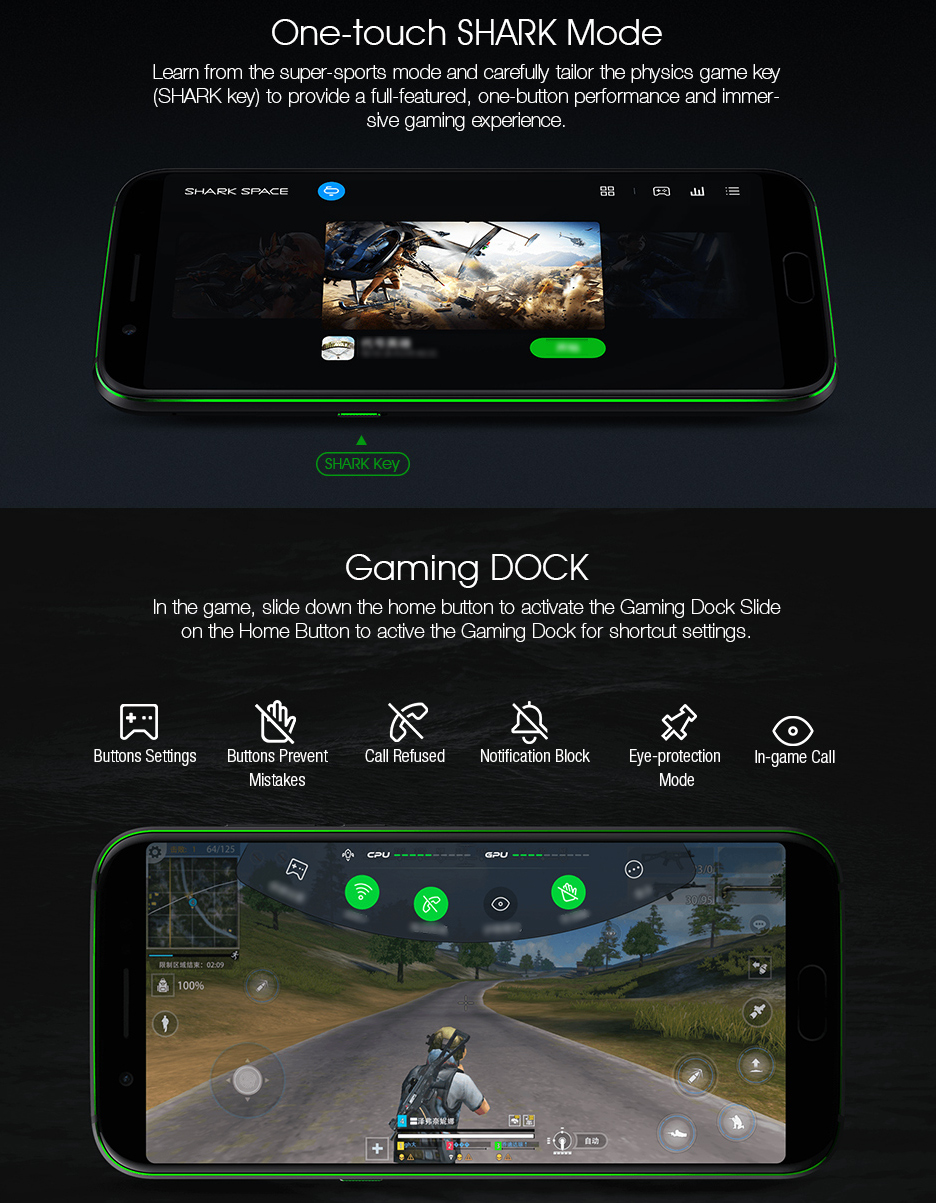
On the front you’ve got a fairly standard 20MP wide selfie camera. There’s no optical zoom here, and video tops out at a 1080p resolution and 30 frames per second. The only interruption to this impressive display is the hole-punch selfie camera cut-out at the top, smack dab in the middle.
For OnePlus fans, the additional functions of the triggers are a godsend. The only problem you might face is popping the triggers when you don’t mean to.
Granted, it is curved on the back official firmware file to fit nicely into the hand, but make no mistake about it, this is a chunky phone. The price of this phone in India is expected to be (₹27,599). The phone powered by Qualcomm SM8250-AC Snapdragon 870 5G Chipset with Octa-core (3.2 GHz Kryo 585) CPU and Adreno 650 GPU.
The maximum advertised brightness is 1300 nits, but this is only achieved at its peak. It is especially the coating at the back of the Black Shark 5 Pro that I really like. But it also seems to be “insulating”, a bit like the sheaths on a pair of pliers for the lack of a better example. I feel like it provides extra protection against overheating for the hands. The featured Snapdragon 870 5G works hard on the Black Shark 4, with most non-gaming apps running at 120 (except YouTube).
]]>
We recommend creating a project folder to save that file, for example, called Blink. 6) If you’re using an ESP8266 board, the burning process will start automatically for most boards.
firmwares and execute specific commands on the products. The script captures data from two UARTs and wraps single DUML packets with PCap headers.
Unplug your serial programming adapter or your device and plug it back in or connect to another power source. If you’re not sure which binary is the right one for you just start with tasmota.bin or consult the builds table to see which features you need. It is not possible to simply provide a binary file (.bin) that can be flashed straight to the device, as it would not be economic due to the size of all of the libraries included in NodeMCU. If you build your firmware with the cloud builder or the Docker image, or any other method that produces a combined binary, then you can flash that file directly to address 0x00000. Below you’ll find all necessary information to flash a NodeMCU firmware binary to ESP8266 or ESP8285. Note that this is a reference documentation and not a tutorial with fancy screen shots. The factory installed firmware should facilitate testing the ESP modules.
Espressif Systems also developed a ESP Flash Download Tool to update the firmware of ESP8266. Thus, we have configured the ESP-AT firmware and compiled it on our own so that we can use back pin GPIO1 and GPIO3 as its UART port. The rest of the features are exactly the same with Espressif’s firmware.
]]>