See how the Swipebox works
-
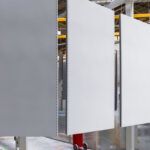
- PINTURA ELETROSTÁTICA
-

- FABRICAÇÃO, REVENDA E INSTALAÇÃO DE PORTAS AUTOMÁTICAS
-

- MCR TEM TOTAL ESPECIALIZAÇÃO EM SOLDA INOX E AÇO







































\nThe allure of ancient Egypt permeates modern popular culture through art, literature, and entertainment. Among its most iconic features are hieroglyphic symbols\u2014mysterious icons rich with history, spirituality, and artistry. Today, digital recreations of Egyptian themes in online slots and gaming interfaces strive for authenticity and immersive appeal. Central to this visual storytelling is the aesthetic choice of background textures that evoke the antiquity and mystique of Egyptian artifacts.\n<\/p>\n
\nIn the design of online slots inspired by ancient Egypt, visual authenticity is not just a decorative element, but a key component that influences player engagement and perceived credibility. Whether in thematic backgrounds, symbol rendering, or decorative borders, the integration of culturally resonant textures enhances immersion. Of particular interest is the implementation of textured backgrounds behind hieroglyphic symbols and motifs, which serve to amplify the sense of antiquity.\n<\/p>\n
\nHistorically, hieroglyphs were inscribed on stone, papyrus, and other durable materials. Replicating this visual quality digitally involves selecting textures that metaphorically link the graphics to their physical ancestors. For instance, a papyrus texture behind symbols<\/em> creates a sense of ancient scrolls, papyrus deposits, or inscriptions\u2014a subtle but profound cue that transports players into an Egyptian tableau.\n<\/p>\n \nImplementing such textures requires careful balancing: they must be detailed enough to evoke the ancient material without overpowering the symbols themselves. When executed well, these textures serve as a harmonious backdrop, framing symbols like the Eye of Horus or scarabs in a way that is both authentic and aesthetically pleasing.\n<\/p>\n \nThe inclusion of authentic textures in digital slot design is more than an aesthetic decision; it impacts user engagement, perceived cultural sensitivity, and overall credibility. According to recent industry analyses, games that incorporate culturally relevant visual motifs tend to foster greater trust among players, leading to longer play sessions and higher retention rates.\n<\/p>\nCase Study: Visual Representation of Hieroglyphs and Symbols<\/h2>\n
\n\n
\n \nDesign Element<\/th>\n Texture Implementation<\/th>\n Effect on Player Experience<\/th>\n<\/tr>\n<\/thead>\n \n Symbols (e.g., Eye of Horus, Ankh)<\/td>\n Papyrus texture behind symbols<\/span><\/td>\n Enhances perceived authenticity, creates depth and contrast<\/td>\n<\/tr>\n \n Background fields<\/td>\n Sandstone or weathered stone textures<\/td>\n Conveys an ancient desert landscape or temple environment<\/td>\n<\/tr>\n \n Decorative borders<\/td>\n Hieroglyphic motifs embedded within textured bands<\/td>\n Framing symbols in culturally resonant ways increases immersion<\/td>\n<\/tr>\n<\/tbody>\n<\/table>\n The Industry Insight: Beyond Aesthetics \u2014 Authenticity and User Engagement<\/h2>\n